Alabama has spent thirty years making a very deliberate bet. Starting in the early 1990s, the state methodically built one of the most consequential automotive manufacturing clusters in the country, attracting major OEMs and the international supplier ecosystem that followed. Today, more than 700 international companies operate in the state, employing well over 100,000 Alabama workers.
That investment created something most people don’t think much about: an extraordinary web of supply chain complexity that requires constant, precise coordination to function. With tariffs reshaping global trade flows and manufacturers reconsidering how much of their supply chain to keep close to home, the companies managing that complexity are more important than ever.
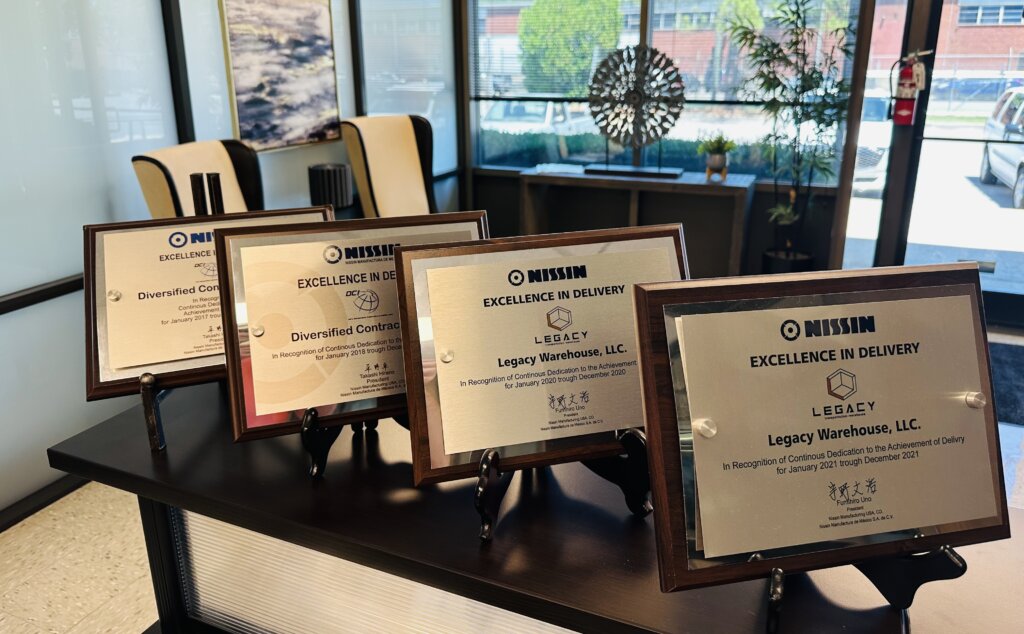
Legacy Transportation and Warehouse, headquartered in Birmingham with operations in Huntsville, has spent more than two decades building the infrastructure those supply chains depend on. In 1999, brothers Tim and Perry Towns, both University of Alabama graduates, saw a gap in the market for flexible, value-added warehousing and transportation services tailored to regional manufacturers. Backed by Perry’s knowledge and network from a career spanning multiple national supply chain organizations and Tim’s operational expertise, the brothers launched Diversified Contractors, a niche logistics service built on precision and personal accountability. Then, in 2019, Legacy Transportation and Warehouse was formed to better serve the businesses’ expanding customer base. Today, their shared vision of a family-owned enterprise is becoming a reality, with Perry’s son Spencer Towns and Tim’s son Kevin Towns actively growing both businesses into the next generation.
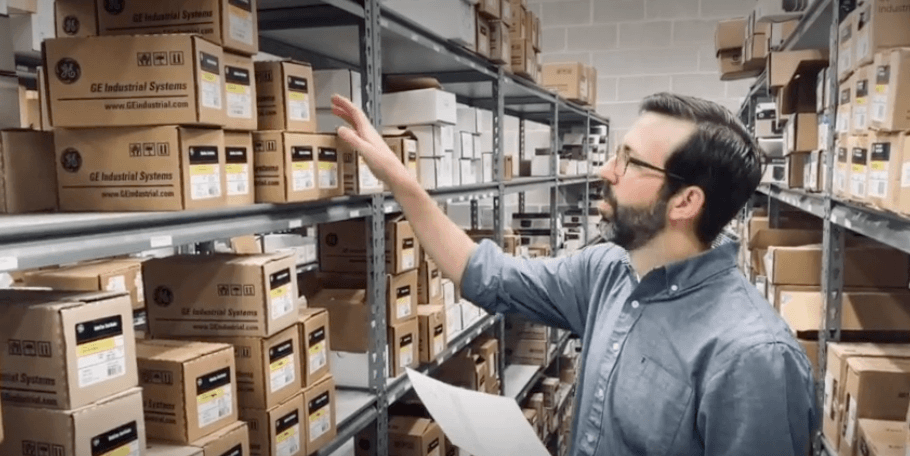
The automotive work Legacy provides illustrates nicely why this model resonates in Alabama specifically. The company manages time-sensitive parts fulfillment for Tier 1 suppliers serving major manufacturers in the region, coordinating across production schedules, communicating with factory counterparts across international borders, and adapting when manufacturing volumes shift. The company’s Huntsville presence is particularly strategic, placing it near both automotive operations and the aerospace and advanced manufacturing corridor that has made the Tennessee Valley one of the fastest-growing business regions in the country.
“Adaptability isn’t a feature. It’s the foundation,” Spencer Towns said. “Our customers don’t have margin for error. Neither do we.”
Healthcare represents a natural second pillar for a company rooted in Alabama’s two largest metros. Birmingham’s significant medical corridor generates real demand for logistics partners who can operate with clinical precision, and Legacy provides warehousing and delivery services for medical supply chains there, managing temperature-sensitive materials between manufacturers and major health systems. Meanwhile, Huntsville’s rapid expansion, fueled by aerospace and defense investment, is creating parallel logistics demand. For a company with established presence in both markets, that growth isn’t a future opportunity. It’s already at the door.
As trade policy continues to accelerate the case for domestic and near-domestic supply chains, global manufacturers in Alabama need regional partners who know the territory, move quickly when conditions change, and bring personal accountability that larger providers cannot replicate. In Alabama, Legacy Transportation and Warehouse is already at work.
Learn more at legacy3pl.com