Jacksonville State University is getting a new degree program off the ground this year. About 30,000 feet off the ground.
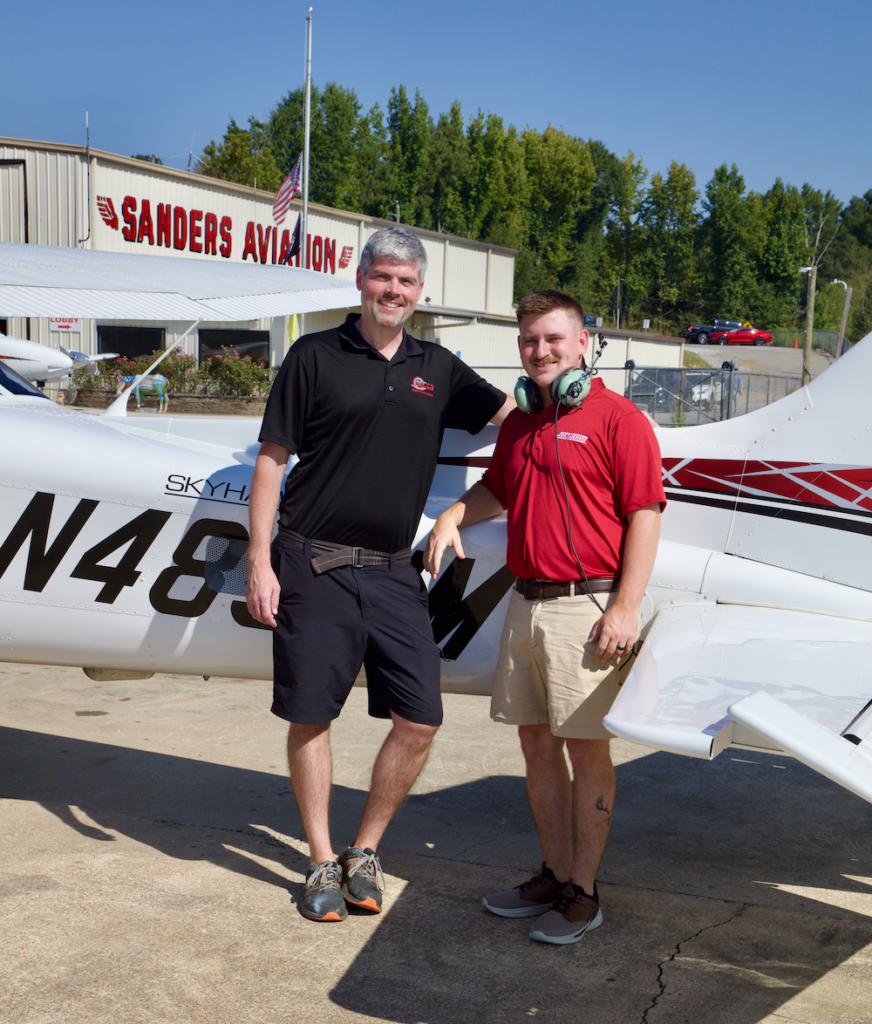
JSU has partnered with Sanders Aviation, a Jasper-based flight training center, to offer a Bachelor of Science degree in aviation. There are three concentrations within that major: aviation management, public safety aviation and — the one that truly puts the “higher” into higher education — commercial aviation.
In other words, training to become a professional airline pilot.
There certainly is a need for such training. Because of retirements from the Baby Boom generation, Boeing Company has estimated that an average of approximately 6,000 new commercial pilots will need to be added to the North American workforce annually for the next two decades to meet the demand.
The idea to implement this program at a relatively small Alabama college (student enrollment in 2025 was barely 10,000) began when this growing need for pilots was mentioned to JSU President Don Killingsworth Jr. It didn’t take long after that for the new aviation program to take flight.
“We pulled this program together pretty quickly last year,” JSU Vice Provost Staci Stone says. “It usually takes quite some time for an academic institution to develop curriculum and launch a new program. But we were hearing the reports about the anticipated pilot shortage and just started looking at the opportunity.”
Of course, it takes planes and an airport to offer such a program, and JSU did not have easy access to either. So, Stone reached out to Sanders Aviation to see if they were interested in a partnership. In addition to training and certifying more than 1,200 pilots each year, Sanders already has a similar academic connection in place with Liberty University in Virginia.
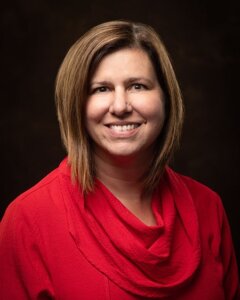
“We did a tour (of Sanders Aviation) and were blown away by the quality of the facilities and the training they offer,” Stone says. “We also were so impressed with the history of the Sanders Flight Training Center and their partnerships. We knew this would be a quality program.”
Sanders officials were equally enthusiastic about the potential partnership. They worked with JSU in developing the four-year degree program, purchased three new planes for student training, and even built a tiny-home community just off one of the runways where students can live if they choose. Company President Jessica Sanders Walker, the daughter of founder Joseph Gordon Sanders Jr., calls it “Live, Learn, Fly.”
“Jacksonville State was very excited and eager to do this,” Walker says. “We built this program together. It’s a great partnership for these two entities to come together and strategically create this pathway for students.”
There are 34 students in this year’s initial aviation degree cohort, though only five are in the commercial aviation concentration. Starting with a smaller number in the flight training portion of the program was intentional, and Stone expects that number to increase when the second cohort of students begins training in the 2027 spring semester.
“We wanted it to start small so it can be a top-of-the-line specialized program,” Walker says. “The smaller cohort gives us more ability to cater to the students and make sure everything is running well before we expand.”
The non-airborne courses are taught in a hybrid format at JSU, Sanders Aviation and online. Stone says students are taking classes focused on a variety of topics, including airline operations, aircraft systems, aviation law, aerodynamics of flight, airport planning and crew management.
“They’re learning the theoretical from aviation faculty and then complementing that with the instruction at Sanders on flight and the networking opportunities they provide,” Stone says.
The chance to get airborne happens quickly. Dyllan Simpson, a native of Oxford who spent five years in the U.S. Marine Corps and currently is serving in the U.S. Navy Reserve, says he was excited when he learned that a college less than 20 miles from his home was starting an aviation degree program. His excitement grew when he found himself in a plane on only his second visit to Sanders Aviation.
“I was surprised that I got to take my first flight almost right away,” Simpson says. “I was very impressed with the facilities and the people there. I’m excited to see where this leads.”
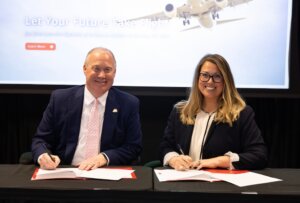
While Simpson says his current goal is to become a commercial airline pilot, he also appreciates the opportunities the JSU aviation program provides to pursue other careers in the industry.
“There are so many paths I can take from this,” Simpson says. “The dream is to make it to the airlines, but who knows. I might find a really nice job doing something I haven’t really known about before this. There are going to be a ton of opportunities.”
Walker says one of the best things about the program is the location. The Delta Air Lines headquarters is in Atlanta, and FedEx is based in Memphis. And while Southwest Airlines is headquartered in Dallas, the company established a new crew base in Nashville in 2024 with approximately 200 pilots stationed there, a number Southwest expects to more than double in the coming years.
“This is a great location for pathways to immediate careers,” Walker says. “Once you have a four-year aviation degree, you’ve opened so many doors. And it’s not just as a pilot. There are careers for instructors, business development, working for Boeing or Lockheed. There are a variety of possible career paths.
“And we can help the students with that. It’s not like when you finish here, we just push you out the door and say, ‘Good luck to you.’ We have instructors who were in the airline industry and are experts and can give advice. And we partner with Spitfire Elite Consulting, who can help with the prep work, interview tactics and skills needed to get you to the airlines.”
Stone says JSU is assisting students down that runway as well. The school already has an internship opportunity in place with Vulcan Materials Co. in Birmingham involving its corporate aircraft, and Stone says they are working on expanding such opportunities to involve other entities.
“The reason we partnered with Sanders is because of the mentoring opportunities and the networking available to our students,” Stone says. “This degree program is a way to provide our students the training for what can be a lucrative position in the aviation industry.”
Cary Estes and Will Dickey are Birmingham-based freelance contributors to Business Alabama.
This article appears in the October 2026 issue of Business Alabama.